How to Check If a Dentist Near You Accepts New Patients How to Check If a Dentist Near You Accepts New Patients
  • Home
  • Dental Treatments
    • Invisalign & Clear Braces
    • Dental Implants
    • General Dentistry
      • Teeth Cleaning
      • Dental X-Rays
      • Fluoride Treatment
      • Dental Fillings
      • Root Canal Treatment
      • Tooth Removal
      • Mouth Guards
    • Cosmetic Dentistry
      • Smile Consultation
      • Teeth Whitening
      • Porcelain Veneers
      • Dental Crown Melbourne
    • Emergency Dentistry
    • Children’s Dentistry
    • Sleep & Sedation Dentistry
  • About Us
  • Pricing
    • Price List
    • Payment Options
    • Packages & Offers
  • Contact
  • 03 7067 8586
  • Book an Appointment
03 7067 8586 Book an Appointment
  • Home
  • Dental Treatments
    • Invisalign & Clear Braces
    • Dental Implants
    • General Dentistry
      • Teeth Cleaning
      • Dental X-Rays
      • Fluoride Treatment
      • Dental Fillings
      • Root Canal Treatment
      • Tooth Removal
      • Mouth Guards
    • Cosmetic Dentistry
      • Smile Consultation
      • Teeth Whitening
      • Porcelain Veneers
      • Dental Crown Melbourne
    • Emergency Dentistry
    • Children’s Dentistry
    • Sleep & Sedation Dentistry
  • About Us
  • Pricing
    • Price List
    • Payment Options
    • Packages & Offers
  • Contact
  • 03 7067 8586
  • Book an Appointment

Prodental Melbourne

How to Check If a Dentist Near You Accepts New Patients

Finding a reliable dentist near you is only part of the process. The next important step is checking whether the clinic is currently accepting new patients, especially if you want timely care for general dentistry or are considering future cosmetic dentistry treatments. For Melbourne patients, this can save time, reduce frustration, and help you choose a clinic that matches your needs.

At Prodental Melbourne, we understand that many patients want a dentist they can trust for both routine check-ups and smile improvements. Whether you need a regular clean, a consultation, or a long-term dental home, knowing how to confirm new patient availability makes the search much easier.

Why new patient availability matters

A clinic may appear to be the right fit, but if it is not accepting new patients, booking care can be delayed. This matters most when you need quick attention for tooth pain, a broken filling, or an overdue check-up. It also matters when you are planning ongoing treatment in general dentistry, where continuity of care is important.

If you are also interested in cosmetic dentistry, such as whitening, veneers, or smile enhancement, you will want a dentist who has room to take on new patients and provide follow-up appointments. A clinic that is too busy may not be able to offer the flexibility you need.

Checking availability early helps you avoid wasted enquiries and lets you focus on clinics that can actually see you.

The easiest way to check if a dentist near you accepts new patients is to visit the clinic website. Many practices clearly state whether they are taking new bookings. Look for phrases such as “accepting new patients,” “new patient appointments available,” or “book your first visit.”

You can also review the services offered. A clinic that provides both general dentistry and cosmetic dentistry may be a good fit if you want ongoing care and smile treatment options under one roof. This gives you a better sense of whether the clinic suits your current and future needs.

If the website does not mention new patient availability, that does not necessarily mean the clinic is full. It may simply mean you need to contact the team directly.

Call the clinic directly

Calling the clinic is often the quickest and clearest way to find out if they are accepting new patients. When you speak with the reception team, ask directly whether new appointments are available. You can also ask how soon you might be seen, whether routine check-ups are available, and what kinds of treatments the clinic focuses on.

This is also a good time to ask whether the practice supports general dentistry services such as exams, cleans, fillings, and preventive care. If you are interested in cosmetic dentistry, ask whether they offer treatments like whitening, veneers, or smile makeovers.

A friendly and informative phone call can also tell you a lot about the clinic’s service style. If the team is helpful and clear, that is often a positive sign.

Use online booking or enquiry forms
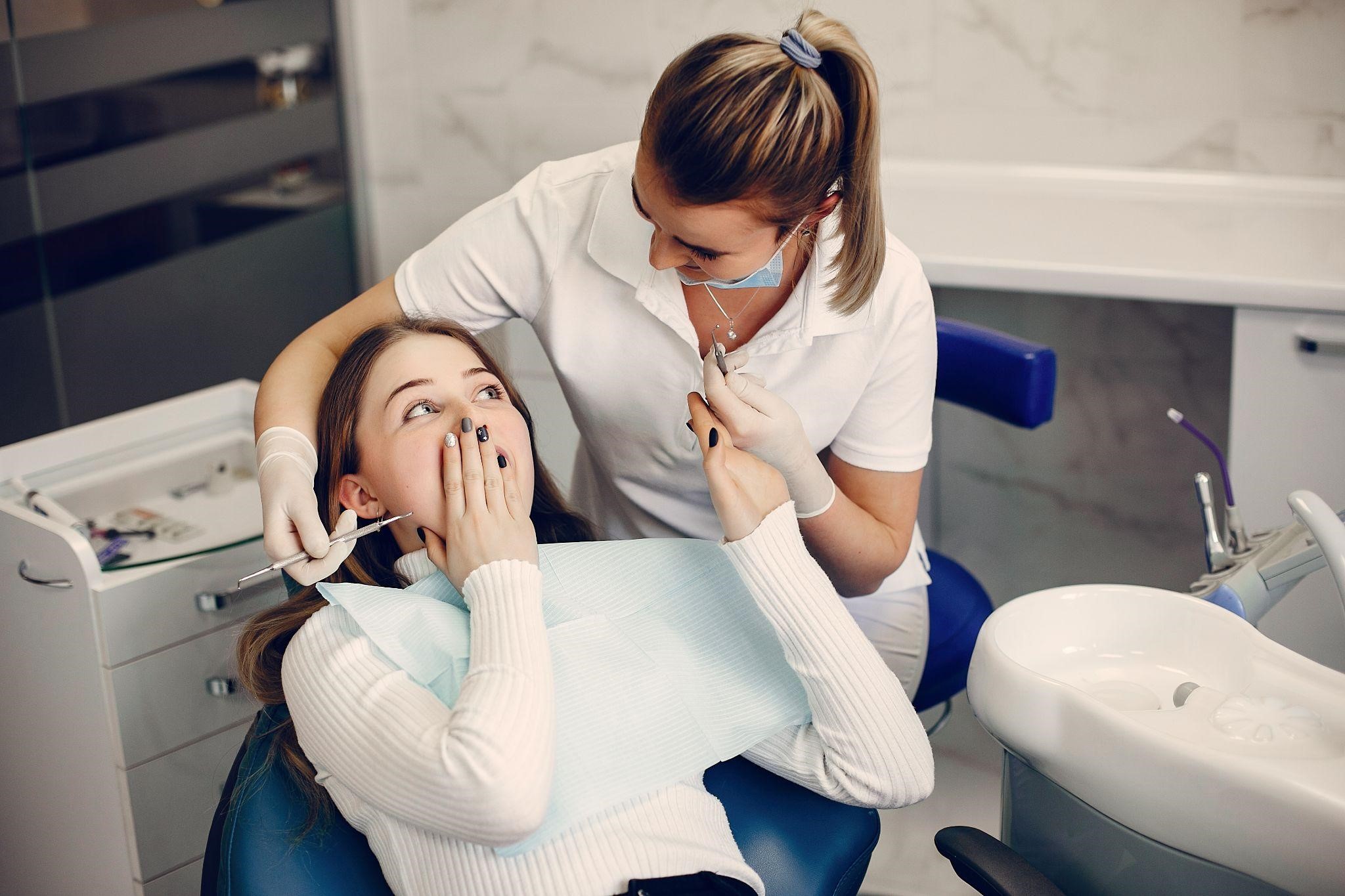
Emergency Dentist Near You

Many clinics now offer online booking systems or enquiry forms. These can be useful if you prefer not to call during busy hours. Some booking platforms show available appointment times right away, while others allow the clinic to contact you later.

When using an online form, include a brief note that you are looking for a dentist near you and are a new patient. This helps the clinic respond appropriately. If you already know what type of care you need, mention whether you are looking for general dentistry or cosmetic dentistry.

Online enquiries are especially useful if you are comparing multiple practices and want to gather information before making a decision.

Check reviews and patient feedback

Reviews can give you useful clues about how a clinic treats new patients. Look for comments about booking ease, reception staff, appointment availability, and first-visit experiences. If many patients mention that the clinic is welcoming to new patients, that is a good sign.

Reviews can also help you understand whether the clinic is better suited to general dentistry or more cosmetic-focused care. A practice that receives positive feedback for gentle routine treatment, clear communication, and a smooth first appointment process may be a strong option.

While reviews should not be the only factor in your decision, they can help you shortlist the right dentist near you.

Look for signs of comprehensive care

A clinic that offers both general dentistry and cosmetic dentistry is often a practical choice for new patients. This means you can start with a routine check-up and also explore other treatments later if needed. It is helpful to build a relationship with a clinic that can support both everyday oral health and future smile goals.

Comprehensive care is especially useful for families, professionals, and patients who want one trusted dental provider over time. It also reduces the need to visit different clinics for different types of treatment.

When comparing options, think about whether the clinic feels like a long-term fit, not just a place for one appointment.

Questions to ask before booking
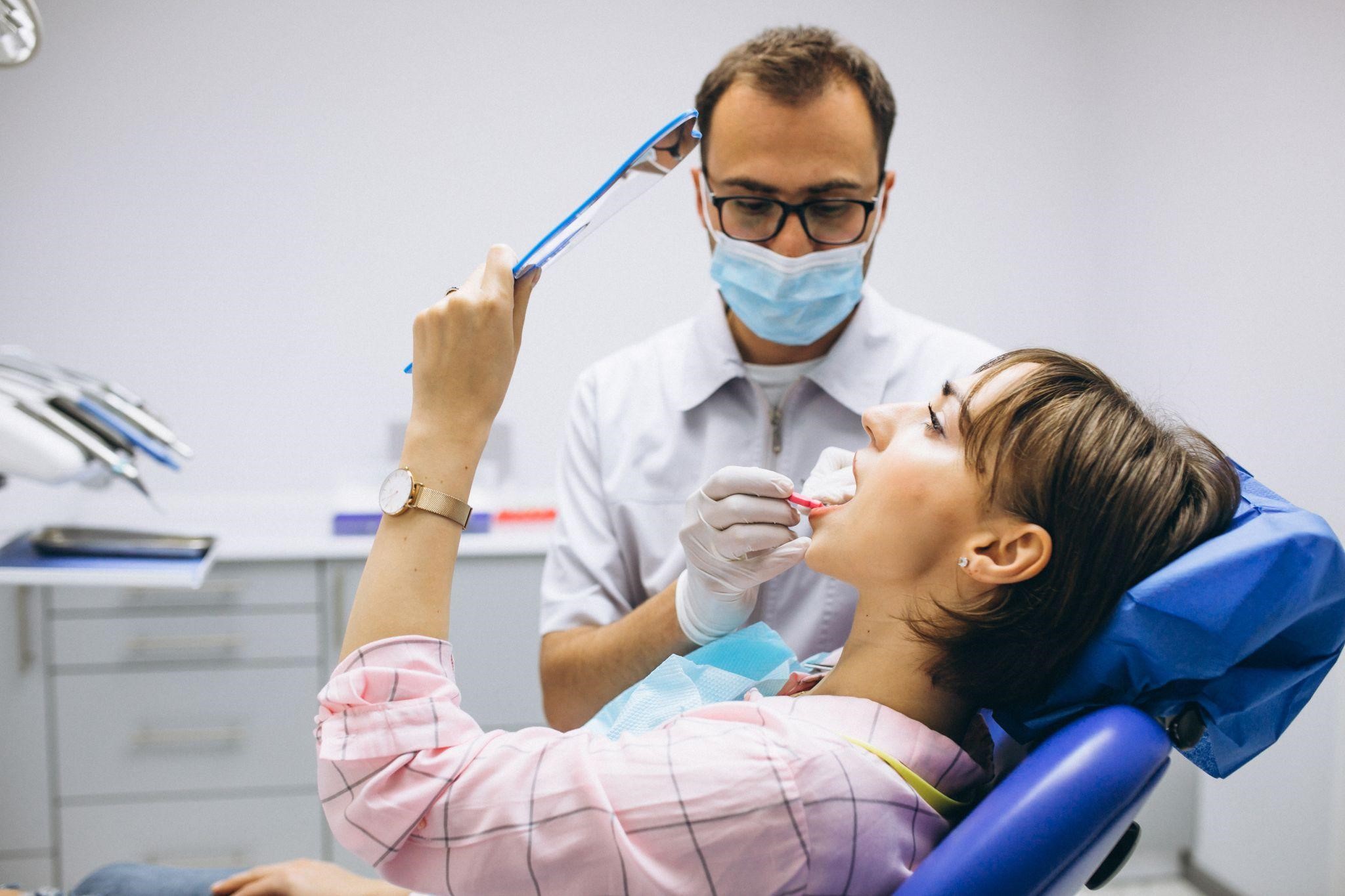
General Dentistry

Before choosing a clinic, it helps to ask a few simple questions:

  • Are you accepting new patients?
  • How soon can I book a first appointment?
  • Do you provide general dentistry and preventive care?
  • Do you offer cosmetic dentistry treatments?
  • What should I bring to my first visit?

These questions make it easier to understand whether the clinic is right for you. They also help you compare different practices in Melbourne more confidently.

Why choose Prodental Melbourne

At Prodental Melbourne, we aim to make it easy for new patients to access professional, friendly dental care. Whether you are looking for a dentist near you for routine check-ups or want to explore cosmetic dentistry options, our clinic offers a practical and patient-focused approach.

We support a wide range of general dentistry services and can help new patients feel comfortable from the first visit. For Melbourne locals, this means having a dental team that can look after everyday needs and future smile improvements in one place.

Conclusion

Checking whether a dentist near you accepts new patients does not have to be complicated. Start with the clinic website, call the team directly, use online booking tools, and read patient reviews. Look for a practice that offers both general dentistry and cosmetic dentistry if you want flexible care now and in the future.

For Melbourne patients, the right clinic should feel accessible, clear, and welcoming from the start. Taking a few minutes to confirm new patient availability can save time and help you find a dental home that suits your needs.

FAQs

1. How do I know if a dentist near me is accepting new patients?

Check the clinic website, call the practice directly, or use an online booking form to confirm whether new appointments are available.

2. Why should I choose a dentist that offers general dentistry?

A clinic that provides general dentistry can help with routine care, preventive treatment, and long-term oral health.

3. Can a dentist near me also offer cosmetic dentistry?

Yes, many clinics provide both general dentistry and cosmetic dentistry so patients can access multiple treatments in one place.

4. What should I ask before booking my first visit?

Ask whether the clinic is accepting new patients, what services they offer, and how soon you can be seen.

5. Are online reviews helpful when choosing a dentist near you?

Yes, reviews can give you insight into patient experience, booking ease, and how welcoming the clinic is to new patients.

Read More
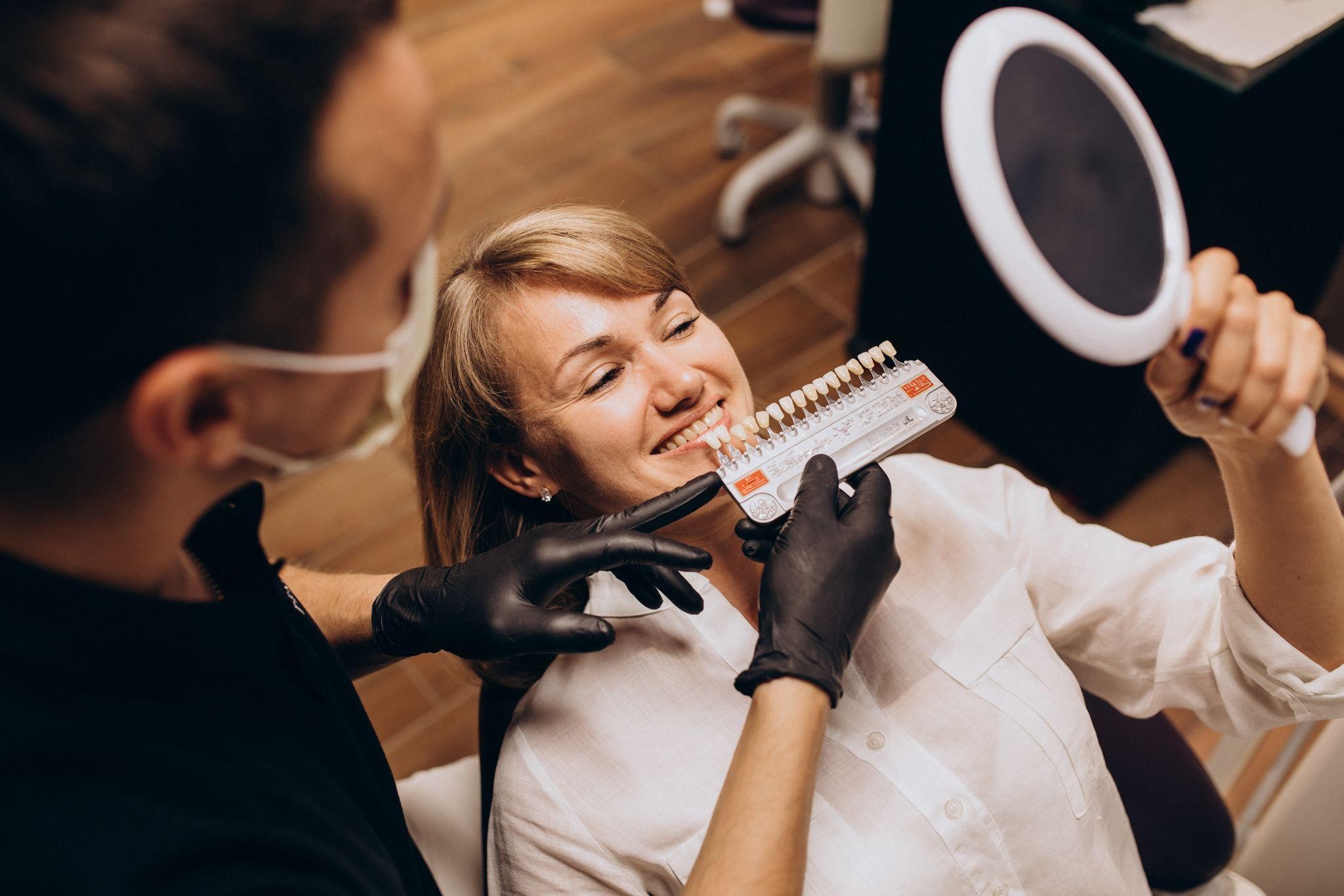

How Often Do You Need Check-Ups During Clear Aligner Treatment?

Clear aligner treatment has become one of the most popular ways to straighten teeth because it is discreet, comfortable, and convenient. Many patients choose a clear aligner option because it fits more easily into daily life than traditional braces. However, even though aligners are removable and simple to wear, regular check-ups are still an important part of the treatment process.

If you are considering Invisalign or another clear aligner system in Melbourne, it helps to understand how often you will need to visit your dentist or orthodontic provider. These appointments are not just routine. They play an important role in ensuring your teeth move as expected and that your treatment stays on track. At Prodental Melbourne, we help patients understand what to expect during aligner treatment so they can feel confident from start to finish.

Why check-ups matter during aligner treatment

Clear aligner treatment works by gradually moving your teeth into a better position using a series of custom-made trays. Because tooth movement happens in stages, your progress needs to be monitored regularly. Check-ups allow your dentist to confirm that the aligners are fitting properly, that your teeth are shifting as planned, and that no changes are needed to your treatment approach.

Regular appointments also give your dentist a chance to check your oral health. Even though aligners are removable, you still need to keep your teeth and gums healthy throughout treatment. If plaque builds up, if an aligner is not fitting correctly, or if a tooth is not moving as expected, your dentist can address the issue early.

This is one reason why clear aligner treatment should always be supervised by a qualified dental professional. A proper treatment plan does more than straighten teeth. It also protects your oral health and helps you get the best possible result.

How often are aligner check-ups usually needed?

The frequency of check-ups can vary depending on your treatment plan, the complexity of your case, and the aligner system being used. In many cases, patients are reviewed every six to ten weeks. Some treatment plans may require more frequent visits at the beginning, while others may allow longer gaps between check-ups if progress is stable.

With Invisalign and other modern aligner systems, appointments are often shorter and less frequent than with braces. That is one of the reasons many patients find them so convenient. However, “less frequent” does not mean “no supervision.” Your dentist still needs to monitor movement, answer questions, and make sure the treatment is progressing correctly.

If your case is more complex, or if changes are needed during treatment, your check-ups may be scheduled more often. On the other hand, if your teeth are responding well and you are wearing your aligners as instructed, the visits may stay quite routine and efficient.

What happens at a clear aligner check-up?

A check-up during clear aligner treatment is usually straightforward. Your dentist will assess how your teeth are moving and compare your progress with the original treatment plan. They may check the fit of your current aligners, ask about comfort, and make sure you are wearing them for the recommended number of hours each day.

Depending on your treatment stage, your provider may give you your next sets of aligners or make small adjustments if needed. In some cases, additional scans or impressions may be taken to confirm that the treatment is progressing correctly.

These appointments are also a good time to discuss anything that is bothering you. If an aligner feels tight, loose, or uncomfortable, your dentist can advise whether it is normal or whether the plan needs adjustment. This kind of support helps keep treatment moving smoothly.

Clear aligners vs other smile treatments

Patients often compare clear aligner treatment with other cosmetic options such as veneers. While both can improve the look of your smile, they work in very different ways. Clear aligners are designed to move teeth into better positions, while veneers are used to improve the appearance of the front surface of teeth.

Because of this difference, clear aligner treatment usually requires more ongoing monitoring. Teeth movement needs to be checked over time, whereas veneers are placed after the cosmetic planning is completed. If a patient wants straighter teeth and a more balanced bite, aligners may be the better choice. If the main concern is the shape, colour, or surface appearance of teeth, veneers may be discussed as part of a cosmetic treatment plan.

A dentist can help you understand which option is more suitable based on your smile goals, oral health, and budget. In some cases, aligner treatment may come before veneers, especially if tooth position needs to be improved first.

What affects how often you need visits?

Several factors can influence how often you need to see your dentist during treatment. These include:

  • the complexity of your tooth movement.
  • how well you wear your aligners.
  • whether your teeth are tracking correctly.
  • any oral health concerns that arise during treatment.
  • whether refinements or additional aligners are needed.

Patients who follow instructions carefully and wear their aligners for the recommended amount of time usually have smoother treatment. This can sometimes reduce the need for extra visits. However, if aligners are not worn enough or are lost frequently, check-ups may become more important.

Your dentist will tailor the appointment schedule to your specific needs. That is why a personalised treatment plan is so valuable. No two smiles are the same, and aligner check-up frequency should reflect that.

How to make the most of your check-ups 

To get the best results from your aligner treatment, it helps to prepare for each appointment. Bring your current aligners with you, even if you are close to changing trays. Be honest about how often you are wearing them and let your dentist know if you have missed any days or experienced discomfort.

Good home care also makes check-ups more productive. Keep your teeth clean, store your aligners safely, and follow the instructions given by your dental team. This makes it easier for your provider to judge your progress and decide whether any changes are needed.

If you are also considering Invisalign or veneers as part of a broader smile plan, your appointments are the right time to ask questions. Understanding the full treatment pathway helps you stay informed and confident throughout the process.

Why choose Prodental Melbourne

At Prodental Melbourne, we support patients who want straighter teeth with a treatment plan that is clear, monitored, and tailored to their needs. Whether you are exploring a clear aligner,

considering Invisalign, or comparing aligners with veneers Melbourne, our team can guide you through the process and explain what to expect at each stage.

We believe successful treatment depends on more than just the aligners themselves. Regular check-ups, personalised advice, and professional supervision all contribute to better results. That is why we work closely with patients throughout their smile journey.

Conclusion

Check-ups are an essential part of clear aligner treatment. While they are usually less frequent than braces appointments, they still play a vital role in tracking progress, protecting oral health, and making sure your teeth are moving correctly. Most patients can expect visits every six to ten weeks, although the exact schedule depends on the treatment plan and the complexity of the case.

If you are thinking about clear aligner treatment in Melbourne, or comparing it with Invisalign and veneers, the best first step is a consultation with an experienced dental team. With proper monitoring and consistent wear, clear aligners can be an effective and convenient way to improve your smile.

FAQs

1. How often do I need check-ups during clear aligner treatment?

Most patients need check-ups every six to ten weeks, but the exact schedule depends on the treatment plan and how your teeth are responding.

2. Are clear aligner check-ups shorter than brace appointments?

Yes, in many cases, clear aligner check-ups are quicker and less frequent than traditional braces appointments.

3. Why are check-ups important with Invisalign?

Invisalign check-ups help your dentist confirm that your teeth are moving correctly and that your aligners are fitting properly.

4. Are clear aligners better than veneers for straightening teeth?

Clear aligners are used to straighten teeth, while veneers improve the appearance of tooth surfaces. They serve different purposes.

5. What happens if I miss a clear aligner appointment?

If you miss an appointment, your dentist may need to review your progress before giving you the next aligners, so it is best to keep visits on schedule.

Read More

Top Dental Habits That Can Damage Your Teeth Without You Realising

Everyday Habits That May Be Harming Your Smile

Most people understand the importance of brushing and flossing, but many are unaware that certain everyday habits can gradually damage their teeth and gums. These seemingly harmless behaviours can lead to tooth wear, cavities, gum disease, chipped teeth, and even the need for extensive dental treatment.

At Prodental Melbourne, we often see patients experiencing oral health issues caused by habits they didn’t realise were harmful. Understanding these habits can help you protect your smile and reduce the likelihood of requiring general dentistry, cosmetic dentistry, or emergency dentistry treatments in the future.

Let’s explore some of the most common dental habits that may be damaging your teeth without you realising it.

1. Using Your Teeth as Tools

Many people use their teeth to:

  • Open packaging
  • Tear tape
  • Crack nuts
  • Open bottle caps

While this may seem convenient, it places excessive pressure on your teeth and increases the risk of:

  • Chipped teeth
  • Cracked teeth
  • Damaged dental restorations
  • Jaw strain

A fractured tooth can quickly become a dental emergency requiring immediate professional treatment.

2. Brushing Too Hard

Brushing your teeth is essential, but brushing aggressively can do more harm than good.

Over time, excessive brushing pressure may cause:

  • Enamel erosion
  • Gum recession
  • Tooth sensitivity
  • Damage to the gumline

Instead, use a soft-bristled toothbrush and gentle circular motions to clean your teeth effectively.

3. Frequent Snacking Throughout the Day

Cosmetic dentistry Melbourne

Every time you eat, bacteria in your mouth produce acids that attack tooth enamel.

Constant snacking means your teeth are repeatedly exposed to these acid attacks, increasing the risk of:

  • Cavities
  • Enamel wear
  • Gum irritation

Limiting frequent snacking and choosing tooth-friendly foods can help maintain better oral health.

4. Chewing Ice

Many people enjoy chewing ice cubes without realising the damage they can cause.

Ice is extremely hard and can lead to:

  • Cracked teeth
  • Chipped fillings
  • Enamel damage
  • Increased tooth sensitivity

Avoid chewing ice and choose safer alternatives if you enjoy crunchy textures.

5. Grinding and Clenching Your Teeth

Teeth grinding (bruxism) often occurs during sleep and may go unnoticed for years.

Common signs include:

  • Jaw pain
  • Headaches
  • Worn teeth
  • Tooth sensitivity
  • Cracked teeth

Untreated grinding can significantly damage your smile and may eventually require cosmetic dentistry or restorative treatments to repair worn or fractured teeth.

6. Nail Biting

Nail biting places repeated stress on your teeth and jaw.

Potential consequences include:

  • Chipped teeth
  • Tooth movement
  • Jaw discomfort
  • Increased exposure to bacteria

Breaking this habit can improve both your oral health and overall wellbeing.

7. Drinking Sugary and Acidic Beverages Frequently

Soft drinks, sports drinks, energy drinks, and even fruit juices can be harmful when consumed regularly.

These beverages contribute to:

  • Enamel erosion
  • Tooth decay
  • Increased sensitivity
  • Tooth discolouration

Drinking water and limiting sugary beverages can help protect your teeth from long-term damage.

8. Skipping Regular Dental Check-Ups

Many dental problems develop gradually and may not cause pain until significant damage has occurred.

Routine general dentistry appointments allow dentists to:

  • Detect cavities early
  • Monitor gum health
  • Identify signs of tooth wear
  • Provide preventive care

Regular check-ups can help prevent more serious and costly dental issues in the future.

9. Not Wearing a Mouthguard During Sports

Sports-related dental injuries are more common than many people realise.

Without proper protection, athletes are at risk of:

  • Broken teeth
  • Knocked-out teeth
  • Jaw injuries
  • Soft tissue injuries

A custom-fitted mouthguard can significantly reduce the risk of injury and the need for emergency dental treatment.

10. Ignoring Early Dental Symptoms

Minor symptoms often signal larger problems developing beneath the surface.

Warning signs that should never be ignored include:

  • Tooth sensitivity
  • Bleeding gums
  • Persistent bad breath
  • Tooth pain
  • Loose teeth

Seeking professional care early can prevent complications and reduce the need for extensive dental treatment.

How Cosmetic Dentistry Can Restore Damaged Teeth

Invisalign Melbourne

If harmful habits have already affected your smile, modern cosmetic dentistry offers a range of solutions to restore appearance and confidence.

Treatment options may include:

  • Teeth whitening
  • Porcelain veneers
  • Dental bonding
  • Smile makeovers
  • Cosmetic crowns

These treatments can address chips, stains, worn teeth, and other aesthetic concerns caused by everyday habits.

When Damaged Teeth Become a Dental Emergency

Some dental habits can result in sudden injuries that require immediate care.

You may need emergency dentistry treatment if you experience:

  • Severe tooth pain
  • A broken or cracked tooth
  • A knocked-out tooth
  • Swelling or infection
  • Bleeding that does not stop

Prompt treatment can help prevent further complications and improve outcomes.

The Importance of Preventive General Dentistry

The best way to protect your smile is through consistent preventive care.

Regular general dentistry visits help:

  • Detect problems early
  • Prevent tooth decay
  • Maintain healthy gums
  • Monitor oral health changes
  • Reduce the risk of future dental emergencies

Combining good oral hygiene habits with professional dental care can help preserve your natural teeth for years to come.

Protect Your Smile with Prodental Melbourne

Many dental problems develop as a result of everyday habits that often go unnoticed. By identifying and changing these behaviours, you can reduce your risk of tooth damage and maintain a healthier smile.

At Prodental Melbourne, we provide comprehensive general dentistry, advanced cosmetic dentistry, and prompt emergency dentistry services for patients throughout Melbourne. Our experienced team is dedicated to helping you achieve and maintain optimal oral health through personalised care and preventive treatment.

Book your dental check-up today and take the first step towards protecting your smile from unnecessary damage.

Frequently Asked Questions (FAQs)

1. Can brushing too hard damage my teeth?

Yes. Aggressive brushing can wear down enamel, cause gum recession, and increase tooth sensitivity. A soft-bristled toothbrush and gentle technique are recommended.

2. Why is nail biting harmful to teeth?

Nail biting can chip teeth, strain the jaw, and expose your mouth to harmful bacteria, increasing the risk of dental problems.

3. How can cosmetic dentistry help damaged teeth?

Cosmetic dentistry treatments such as veneers, bonding, and teeth whitening can improve the appearance of chipped, worn, stained, or damaged teeth.

4. When should I seek emergency dentistry treatment?

You should seek emergency dentistry care if you experience severe tooth pain, a broken or knocked-out tooth, significant swelling, or signs of infection.

5. How often should I visit a general dentistry clinic?

Most patients should visit a general dentistry clinic every six months for routine examinations and professional cleaning to maintain good oral health.

Read More

What Foods Should You Avoid During Invisalign Treatment?

A Complete Guide to Protecting Your Smile During Invisalign Treatment

Invisalign has become one of the most popular orthodontic treatments for patients seeking a discreet and convenient way to straighten their teeth. Unlike traditional braces, Invisalign aligners are removable, allowing you to enjoy greater flexibility when eating and maintaining your oral hygiene.

However, while Invisalign offers fewer dietary restrictions than braces, there are still certain foods and drinks that can affect your treatment if proper care is not taken. Understanding what to avoid can help keep your aligners in excellent condition and ensure your treatment stays on track.

At Prodental Melbourne, we help patients throughout Melbourne achieve straighter, healthier smiles with Invisalign Melbourne treatment. In this guide, we’ll discuss the foods and beverages you should avoid and how to care for your aligners during treatment.

How Invisalign Works

Invisalign uses a series of custom-made clear aligners designed to gradually move your teeth into their ideal position. For optimal results, aligners should be worn for approximately 20 to 22 hours per day and only removed when eating, drinking anything other than water, brushing, and flossing.

Because the aligners fit snugly over your teeth, proper care is essential to prevent staining, damage, and oral health issues.

Can You Eat While Wearing Invisalign?

The simple answer is no.

You should always remove your Invisalign aligners before eating any food. Eating while wearing aligners can:

  • Crack or damage the aligners
  • Cause food particles to become trapped
  • Lead to staining
  • Increase the risk of cavities and plaque buildup
  • Affect the fit and effectiveness of treatment

Removing your aligners before meals is one of the most important habits for successful Invisalign treatment.

Foods and Drinks to Avoid During Invisalign Treatment

Cosmetic Dentistry Melbourne

Although you can technically eat most foods once your aligners are removed, there are certain foods and beverages that may still impact your oral health and treatment progress.

Sticky and Chewy Foods

Foods such as:

  • Chewing gum
  • Caramels
  • Toffees
  • Sticky lollies

It can leave sugar residue on your teeth. If you place your aligners back in without properly brushing, bacteria and sugar can become trapped against the teeth, increasing the risk of decay.

Sugary Snacks and Sweets

Frequent consumption of sugary foods may contribute to:

  • Tooth decay
  • Plaque buildup
  • Gum disease

Examples include:

  • Chocolates
  • Soft candies
  • Cakes
  • Biscuits
  • Sweet pastries

Maintaining good oral hygiene is essential during Invisalign Melbourne treatment to protect your teeth while they are being aligned.

Hard Foods That Can Damage Teeth

Hard foods can sometimes cause chipped or cracked teeth, which may complicate your orthodontic treatment.

Examples include:

  • Ice cubes
  • Hard lollies
  • Popcorn kernels
  • Nuts
  • Hard crackers

If a dental injury occurs, you may require prompt emergency dentistry treatment to prevent treatment delays.

Acidic Foods and Drinks

Highly acidic foods can weaken tooth enamel and increase sensitivity.

Examples include:

  • Soft drinks
  • Sports drinks
  • Citrus fruits
  • Energy drinks
  • Vinegar-based products

If you consume acidic foods or beverages, rinse your mouth with water before replacing your aligners.

Staining Beverages

Although aligners should be removed before drinking, beverages can still affect your oral health and appearance if consumed frequently.

Common staining drinks include:

  • Coffee
  • Tea
  • Red wine
  • Cola
  • Dark-coloured soft drinks

Failure to clean your teeth properly before reinserting aligners may allow stains to develop on both your teeth and aligners.

Why Water Is the Best Drink During Invisalign Treatment

Invisalign Treatment


Water is the safest beverage to consume while wearing Invisalign aligners.

Benefits include:

  • Keeps aligners clear and clean
  • Helps wash away food particles
  • Supports saliva production
  • Reduces the risk of cavities
  • Promotes overall oral health

Whenever possible, choose water throughout the day to support your treatment progress.

Oral Hygiene Is Essential During Invisalign Treatment

Maintaining excellent oral hygiene is just as important as avoiding problematic foods.

After every meal or snack:

  1. Remove your aligners.
  2. Eat your meal.
  3. Brush and floss your teeth.
  4. Rinse your aligners.
  5. Reinsert your aligners.

This routine helps prevent:

  • Plaque buildup
  • Tooth decay
  • Gum disease
  • Staining
  • Bad breath

Regular general dentistry check-ups can also help ensure your teeth and gums remain healthy throughout your Invisalign journey.

What Happens If You Accidentally Damage Your Aligners?

Despite taking precautions, accidents can happen.

You should contact your dentist if:

  • Your aligner cracks or breaks
  • The aligner becomes warped
  • It no longer fits properly
  • You experience unexpected discomfort

Prompt attention can prevent treatment delays and ensure your teeth continue moving according to plan.

In some situations, dental injuries or severe discomfort may require emergency dentistry assessment.

The Importance of General Dentistry During Invisalign Treatment

While Invisalign focuses on straightening teeth, maintaining overall oral health remains essential.

Routine general dentistry appointments allow your dentist to:

  • Monitor gum health
  • Check for cavities
  • Perform professional cleans
  • Ensure Invisalign treatment is progressing correctly
  • Identify potential issues before they become serious

Combining Invisalign treatment with regular dental care helps achieve the best possible long-term results.

Start Your Invisalign Journey with Prodental Melbourne

Choosing Invisalign Melbourne treatment is an excellent investment in your smile. By avoiding harmful foods, maintaining good oral hygiene, and attending regular dental appointments, you can help ensure a successful and efficient treatment experience.

At Prodental Melbourne, we provide personalised Invisalign treatment, comprehensive general dentistry, and prompt emergency dentistry care for patients throughout Melbourne. Our experienced team is committed to helping you achieve a straighter, healthier, and more confident smile.

Contact us today to learn more about Invisalign and start your smile transformation.

Frequently Asked Questions (FAQs)

1. Can I eat while wearing Invisalign aligners?

No. Invisalign aligners should always be removed before eating to prevent damage, staining, and food particles from becoming trapped between the aligners and teeth.

2. Can I drink coffee while using Invisalign?

You should remove your aligners before drinking coffee. Coffee can stain both your teeth and aligners, and may warp the aligners if consumed while wearing them.

3. What should I do if I forget to brush before putting my aligners back in?

If brushing isn’t possible, rinse your mouth thoroughly with water before reinserting your aligners. Brush and floss as soon as you can to minimise plaque and bacteria buildup.

4. Why are regular general dentistry visits important during Invisalign treatment?

General dentistry check-ups help monitor oral health, prevent cavities, maintain healthy gums, and ensure your Invisalign treatment progresses successfully.

5. When should I seek emergency dentistry during Invisalign treatment?

You should seek emergency dentistry care if you experience severe tooth pain, dental trauma, a broken tooth, significant swelling, or issues that may interfere with your Invisalign treatment.

Read More

How to Handle a Knocked Out Tooth

A knocked-out tooth is one of the most urgent dental emergencies—and acting quickly can mean the difference between saving and losing your tooth. Whether it’s due to an accident, sports injury, or fall, knowing what to do in those first few minutes is critical.

In this guide, Prodental Melbourne explains step-by-step what to do and when to seek an emergency dentist near you to maximise your chances of saving the tooth.

What Is a Knocked-Out Tooth?

A knocked-out tooth (also called an avulsed tooth) occurs when a tooth is completely displaced from its socket. This is a serious dental emergency that requires immediate attention.

What to Do Immediately

1. Stay Calm and Act Fast

Time is crucial. The best chance of saving a tooth is within 30–60 minutes after it has been knocked out.

2. Pick Up the Tooth Carefully

Hold the tooth by the crown (the top part), not the root. Touching the root can damage important cells needed for reattachment.

3. Gently Rinse the Tooth

If the tooth is dirty, rinse it briefly with milk or saline solution. Avoid scrubbing or using soap, as this can damage the tooth.

4. Try to Reinsert the Tooth

If possible, gently place the tooth back into its socket and hold it in place by biting down softly on a clean cloth or gauze.

5. Keep the Tooth Moist

If reinsertion isn’t possible, store the tooth in:

  • Milk
  • Saline solution
  • Inside your cheek (if safe to do so)

Never store it in water, as this can harm the tooth’s cells.

6. Visit an Emergency Dentist Immediately

Search for an emergency dentist near me and get professional help as soon as possible. Prompt treatment greatly increases the chances of saving your tooth.

What Happens at the Dentist?

Cosmetic dentistry melbourne

At Prodental Melbourne, your dentist will:

  • Assess the tooth and the surrounding area
  • Reinsert and stabilise the tooth (if possible)
  • Provide splinting to hold the tooth in place
  • Prescribe medication if needed

Follow-up visits are essential to ensure proper healing.

Can a Knocked-Out Tooth Always Be Saved?

Not always—but quick action significantly improves success rates. Teeth that are handled properly and treated within an hour have the best chance of being reattached successfully.

What if the Tooth Cannot Be Saved?

If the tooth cannot be restored, your dentist will discuss replacement options such as implants or bridges. Orthodontic solutions like clear aligners and Invisalign may also be recommended to maintain proper alignment and restore your smile.

How to Prevent Dental Injuries

While accidents can’t always be avoided, you can reduce the risk:

  • Wear a mouthguard during sports
  • Avoid chewing hard objects
  • Maintain regular dental check-ups
  • Address alignment issues with clear aligners or Invisalign

Proper alignment can reduce the risk of trauma and improve overall oral health.

Why Choose Prodental Melbourne?

At Prodental Melbourne, we provide fast and reliable emergency dental care when you need it most. Our experienced team is equipped to handle urgent situations and help restore your smile.

We offer:

  • Immediate emergency dental treatment
  • Advanced solutions, including clear aligners and Invisalign
  • Patient-focused, gentle care
  • Long-term restorative options

Final Thoughts

A knocked-out tooth is a serious emergency—but the right action at the right time can save it. Acting quickly, handling the tooth properly, and visiting an emergency dentist near me can make all the difference.

Frequently Asked Questions

1. What should I do immediately after knocking out a tooth?

You should pick up the tooth by the crown, rinse it gently, and try to place it back into the socket. If that’s not possible, keep it in milk and visit an emergency dentist near me immediately.

2. How long can a knocked-out tooth survive outside the mouth?

A tooth has the best chance of being saved if treated within 30–60 minutes. The sooner you see an emergency dentist near me, the higher the success rate.

3. Can a knocked-out tooth be permanently reattached?

Yes, in many cases, a dentist can successfully reinsert and stabilise the tooth if it’s handled properly and treated quickly.

4. What happens if my tooth cannot be saved?

If the tooth cannot be reattached, your dentist may recommend replacement options. Orthodontic treatments like clear aligners or Invisalign can help maintain proper alignment after tooth loss.

5. Can Invisalign or clear aligners prevent dental injuries?

While clear aligners and Invisalign are mainly used to straighten teeth, they can also improve bite alignment, which may reduce the risk of certain dental injuries.

Read More

Does Stress Cause Teeth Grinding?

Teeth grinding, also known as bruxism, is a common dental issue that affects many people—often without them even realising it. One of the biggest contributing factors? Stress.

In this guide, Prodental Melbourne explains the connection between stress and teeth grinding, its effects on your oral health, and the best ways to manage and treat it—including options like professional clear aligners and Invisalign.

What Is Teeth Grinding?

Bruxism is the involuntary grinding, clenching, or gnashing of teeth. It can occur:

  • During the day (awake bruxism)
  • At night, while sleeping (sleep bruxism)

Many people only discover they grind their teeth when symptoms start to appear or during a dental check-up.

Does Stress Really Cause Teeth Grinding?

Yes—stress is one of the leading causes of bruxism.

When you’re stressed or anxious, your body may respond physically by clenching your jaw or grinding your teeth, especially during sleep. Modern lifestyles, work pressure, and poor sleep habits can all contribute to this condition.

Common Signs of Teeth Grinding

If you’re unsure whether you grind your teeth, look out for these symptoms:

  • Jaw pain or tightness
  • Headaches, especially in the morning
  • Worn, chipped, or flattened teeth
  • Increased tooth sensitivity
  • Disturbed sleep

If you notice these signs, it’s important to seek help from an emergency dentist near you or a trusted dental professional before the problem worsens.

How Teeth Grinding Affects Your Oral Health

Emergency Dentist Near You

Untreated bruxism can lead to serious dental issues, including:

  • Enamel wear and tooth damage
  • Cracks or fractures in teeth
  • Gum recession
  • Jaw disorders (TMJ issues)
  • Need for restorative treatments

Early intervention can help prevent long-term damage and costly procedures.

Treatment Options for Teeth Grinding

The good news is that teeth grinding can be managed effectively with the right treatment plan.

1. Custom Mouthguards

A dentist can provide a custom night guard to protect your teeth while you sleep and reduce damage from grinding.

2. Clear Aligners & Invisalign

In some cases, misaligned teeth can contribute to grinding. Orthodontic treatments like clear aligners and Invisalign help correct alignment, reducing pressure on the jaw and minimising grinding over time.

3. Stress Management Techniques

Since stress is a key cause, managing it can significantly reduce symptoms:

  • Meditation and relaxation techniques
  • Regular exercise
  • Improving sleep habits
  • Reducing caffeine intake

4. Dental Corrections

If grinding has already caused damage, restorative treatments such as crowns or bonding may be needed to repair affected teeth.

5. When to Seek Emergency Dental Care

If you experience severe pain, broken teeth, or jaw locking, it’s important to search for an emergency dentist near you and get immediate treatment.

Can Clear Aligners Help with Bruxism?

Yes, clear aligners can play a role in managing bruxism by:

  • Correcting bite alignment
  • Reducing uneven pressure on teeth
  • Improving overall jaw positioning

While they may not completely stop stress-related grinding, they are an effective part of a comprehensive treatment plan.

How to Prevent Teeth Grinding

Preventing bruxism involves both dental care and lifestyle changes:

  • Maintain regular dental check-ups
  • Avoid chewing hard objects (ice, pens)
  • Limit caffeine and alcohol
  • Practice relaxation before bedtime
  • Address stress proactively

Why Choose Prodental Melbourne?

At Prodental Melbourne, we offer personalised care to diagnose and treat teeth grinding effectively. From custom mouthguards to advanced solutions like clear aligners and Invisalign, our team ensures your smile stays healthy and protected.

We provide:

  • Comprehensive dental assessments
  • Advanced orthodontic treatments
  • Emergency dental care when you need it most
  • Patient-focused, comfortable solutions

Final Thoughts

Stress and teeth grinding are closely linked, but the condition is manageable with the right approach. Early diagnosis and treatment can prevent serious damage and improve your overall quality of life.

If you suspect you’re grinding your teeth, don’t wait—professional care can make all the difference.

FAQ’s

1. Can stress really cause teeth grinding?

Yes, stress is one of the most common causes of teeth grinding (bruxism). Anxiety and tension can lead to unconscious clenching of the jaw, especially during sleep.

2. How do I know if I grind my teeth at night?

Common signs include jaw pain, headaches, worn teeth, and sensitivity. A dentist can confirm bruxism during a check-up and recommend suitable treatment.

3. Can clear aligners or Invisalign help with teeth grinding?

Yes, clear aligners and Invisalign can help improve bite alignment, which may reduce grinding caused by uneven pressure on teeth.

4. When should I see an emergency dentist for teeth grinding?

You should visit an emergency dentist near you if you experience severe jaw pain, broken teeth, or difficulty opening your mouth. Immediate care can prevent further damage.

5. What is the best treatment for bruxism?

Treatment depends on the cause but may include custom mouthguards, stress management, and orthodontic solutions like clear aligners or Invisalign for long-term relief.

Read More

Is Invisalign Worth It? Benefits, Cost & What to Expect in Melbourne

A straight, confident smile is more achievable than ever thanks to modern orthodontic solutions like Invisalign. As one of the most popular alternatives to traditional braces, Invisalign has become a go-to choice for adults and professionals in Melbourne who want a discreet and convenient way to straighten their teeth.

But is Invisalign really worth it? In this guide, we’ll explore the benefits, costs, and what to expect from treatment—helping you decide whether it’s the right option for your smile.

What is Invisalign?

Invisalign is an advanced orthodontic treatment that uses a series of clear, custom-made aligners to gradually move your teeth into the desired position. Unlike traditional metal braces, these aligners are nearly invisible and can be removed when eating, brushing, or attending special events.

This makes Invisalign an ideal solution for those looking to straighten teeth without braces while maintaining their lifestyle.

Why Invisalign is Trending in 2026

Invisalign Melbourne

Invisalign continues to grow in popularity across Australia due to its combination of aesthetics, comfort, and convenience.

Key reasons for its rise:

  • Discreet appearance (virtually invisible aligners)
  • Increased demand from working professionals
  • Advanced digital scanning and treatment planning
  • Flexible and lifestyle-friendly orthodontic care

For many patients in Melbourne, Invisalign offers a modern, hassle-free way to achieve a straighter smile.

Benefits of Invisalign

  1. Nearly Invisible Appearance

One of the biggest advantages of Invisalign is its discreet design. The clear aligners are barely noticeable, making them perfect for adults who want to avoid the look of traditional braces.

  1. Comfortable to Wear

Invisalign aligners are made from smooth plastic, reducing irritation to the gums and cheeks compared to metal brackets and wires.

  1. Removable Convenience

You can remove your aligners when eating, drinking, brushing, and flossing. This means:

  • No food restrictions
  • Easier oral hygiene
  • Greater flexibility in daily life
  1. Predictable Results

Using advanced 3D imaging technology, your dentist can show you a before-and-after preview of your smile, giving you a clear idea of the expected outcome.

  1. Fewer Dental Visits

Compared to traditional braces, Invisalign typically requires fewer check-ups, making it ideal for busy lifestyles.

Invisalign Cost in Melbourne

The cost of Invisalign in Melbourne can vary depending on the complexity of your case and the duration of treatment.

Average price range:

  • Mild cases: $3,500 – $5,000
  • Moderate cases: $5,000 – $7,000
  • Complex cases: $7,000 – $9,000+

While Invisalign may seem more expensive than traditional braces, many patients find the comfort, convenience, and aesthetics well worth the investment.

Some clinics also offer flexible payment plans, making treatment more accessible.

Invisalign vs Braces: Which is Better?

Braces Melbourne

Invisalign:

  • Clear and nearly invisible
  • Removable aligners
  • More comfortable
  • Ideal for mild to moderate cases

Traditional Braces:

  • Fixed to teeth
  • More noticeable
  • Suitable for complex orthodontic issues
  • Often more affordable upfront

If your priority is discreet treatment and lifestyle flexibility, Invisalign is the better choice. However, for severe alignment issues, traditional braces may still be recommended.

What to Expect During Invisalign Treatment

Step 1: Initial Consultation

Your dentist will assess your teeth, discuss your goals, and determine if Invisalign is suitable for you.

Step 2: Digital Scanning & Treatment Plan

A 3D scan of your teeth is taken to create a customised treatment plan and preview your expected results.

Step 3: Wearing Your Aligners

You’ll receive a series of aligners, each worn for 1–2 weeks. For best results, aligners should be worn 20–22 hours per day.

Step 4: Progress & Adjustments

Regular check-ups ensure your treatment is progressing as planned.

Step 5: Final Results & Retainers

Once treatment is complete, you’ll need to wear retainers to maintain your new smile.

Invisalign Timeline: How Long Does It Take?

The duration of Invisalign treatment depends on your individual case.

Typical timelines:

  • Mild cases: 3–6 months
  • Moderate cases: 6–12 months
  • Complex cases: 12–18 months

Many patients start seeing noticeable improvements within just a few weeks.

Is Invisalign Worth It?

Invisalign is worth it if you value:

  • A discreet and professional appearance
  • Comfort and convenience
  • Predictable, high-quality results

While the cost may be higher than traditional braces, the overall experience and outcome make it a worthwhile investment for many patients.

Final Thoughts

If you’re looking for a modern way to straighten teeth without braces, Invisalign is one of the most effective and convenient options available in 2026. With its nearly invisible design, comfortable fit, and predictable results, it’s no surprise that more people in Melbourne are choosing Invisalign for their smile transformation.

To find out if Invisalign is right for you, book a consultation with an experienced cosmetic dentist who can guide you through the process and create a personalised treatment plan.

FAQs

  1. Is Invisalign painful?

Invisalign is generally less painful than traditional braces. You may feel slight pressure when switching to a new aligner, which is a sign that it’s working.

  1. How long does Invisalign take?

Treatment typically takes between 6 to 18 months, depending on the complexity of your case.

  1. Can I eat with Invisalign?

No, aligners should be removed when eating or drinking anything other than water.

  1. Is Invisalign suitable for everyone?

Invisalign is ideal for mild to moderate alignment issues. Severe cases may require traditional braces.

  1. How often do I need to wear Invisalign aligners?

For best results, aligners should be worn 20–22 hours per day.

Read More

Teeth Whitening vs Porcelain Veneers: Which Smile Makeover is Right for You in Melbourne?

A bright, confident smile can make a lasting impression. If you’re considering a smile makeover in Melbourne, two of the most popular cosmetic dentistry options are teeth whitening and porcelain veneers. But how do you know which treatment is right for you?

In this guide, we’ll compare both options based on results, cost, durability, and suitability—helping you make an informed decision for your perfect smile.

What is Teeth Whitening?

Teeth whitening is a non-invasive cosmetic dental treatment designed to remove stains and discolouration from your natural teeth. It’s one of the quickest and most affordable ways to enhance your smile.

Benefits of Teeth Whitening:

  • Fast results—often in just one session
  • Cost-effective compared to other cosmetic treatments
  • Non-invasive with no permanent changes to your teeth
  • Ideal for mild to moderate staining

Limitations:

  • Results are not permanent
  • May not work on deep stains or damaged teeth
  • Requires maintenance over time

Teeth whitening is a great option if you’re looking for a quick refresh before a special event or simply want a brighter smile without major dental work.

What are Porcelain Veneers?

Veneers Melbourne

Porcelain veneers are thin, custom-made shells bonded to the front surface of your teeth. They are designed to improve the appearance of your smile by correcting multiple issues at once.

Benefits of Porcelain Veneers:

  • Long-lasting results (10–15 years or more)
  • Can fix chips, cracks, gaps, and uneven teeth
  • Resistant to staining
  • Provide a complete smile transformation

Considerations:

  • Higher upfront cost
  • Requires slight enamel removal
  • Irreversible procedure

Veneers are ideal for patients looking for a dramatic, long-term smile makeover.

Teeth Whitening vs Porcelain Veneers: Key Differences

  1. Results: Instant vs Long-Term

Teeth Whitening: Offers immediate brightness but may fade over time

Porcelain Veneers: Provide long-lasting, consistent results

If you want a quick improvement, whitening is ideal. For a permanent transformation, veneers are the better choice.

  1. Cost Comparison

Teeth Whitening: More affordable and accessible

Porcelain Veneers: Higher investment but longer lifespan

While veneers cost more upfront, they may offer better value over time due to their durability.

  1. Durability & Maintenance

Teeth Whitening: Requires regular touch-ups

Porcelain Veneers: Durable and stain-resistant with proper care

Veneers are a low-maintenance solution compared to repeated whitening sessions.

  1. Suitability: Stained vs Damaged Teeth

Teeth Whitening: Best for surface stains caused by coffee, tea, or smoking

Porcelain Veneers: Ideal for severely stained, chipped, misaligned, or uneven teeth

If your teeth are healthy but discoloured, whitening may be enough. However, for structural or cosmetic imperfections, veneers are more suitable.

Which Option is Right for You?

Professional Smile Consultation

Choosing between teeth whitening and porcelain veneers depends on your dental condition, goals, and budget.

Choose Teeth Whitening if:

  • You have mild to moderate staining
  • You want a quick and affordable solution
  • Your teeth are healthy and undamaged

Choose Porcelain Veneers if:

  • You want a complete smile makeover
  • You have chipped, uneven, or heavily stained teeth
  • You’re looking for long-lasting results

Why Consider a Professional Smile Consultation?

Every smile is unique, and the best way to determine the right treatment is through a professional smile consultation. A qualified cosmetic dentist can assess your teeth, discuss your goals, and recommend a personalised treatment plan.

At Prodental Melbourne, patients can benefit from expert advice and customised solutions tailored to their needs.

Final Thoughts

Both teeth whitening and porcelain veneers offer excellent ways to enhance your smile, but they serve different purposes. Whitening is perfect for quick, affordable improvements, while veneers provide a long-term, transformative solution.

If you’re unsure which option is right for you, consulting an experienced cosmetic dentist in Melbourne is the first step toward achieving your dream smile.

FAQs

  1. How long does teeth whitening last?

Teeth whitening results can last from a few months up to a year, depending on your lifestyle and oral habits.

  1. Are porcelain veneers permanent?

Yes, veneers are a long-term solution and typically last 10–15 years with proper care.

  1. Is teeth whitening safe?

Professional teeth whitening performed by a dentist is safe and effective.

  1. Do veneers look natural?

Yes, modern porcelain veneers are designed to match the shape, colour, and translucency of natural teeth.

  1. Which is more cost-effective in the long run?

While veneers have a higher upfront cost, their durability often makes them more cost-effective over time.

Read More

Can Cosmetic Dentistry Make You Look Younger?

A youthful smile is often associated with confidence, vitality, and good health. As we age, our teeth naturally lose their brightness, shape, and alignment, which can impact overall facial aesthetics. The good news is that modern cosmetic dentistry offers advanced solutions to restore your smile and help you look younger. At Prodental Melbourne, we provide personalised treatments designed to enhance both your smile and your appearance.

How Ageing Affects Your Smile

Over time, several factors can contribute to an aged appearance in your smile, including:

  • Tooth discolouration from food, drinks, and lifestyle habits
  • Worn or chipped teeth that reduce tooth length
  • Gaps or misalignment that develop with age
  • Thinning lips due to a lack of dental support

These changes not only affect your teeth but also the overall structure of your face, making you appear older than you feel.

The Link Between Your Smile and a Youthful Appearance

Your smile plays a key role in facial harmony. Bright, well-aligned teeth can make your face appear fuller, healthier, and more vibrant. Cosmetic dental treatments focus on improving symmetry, colour, and shape, all of which contribute to a more youthful look.

At Prodental Melbourne, our approach begins with a detailed smile consultation to understand your goals and create a customised treatment plan that enhances your natural features.

Cosmetic dental treatments

Teeth Whitening: A Simple Way to Refresh Your Look

One of the quickest and most effective ways to achieve a youthful smile is through teeth whitening. Over time, teeth can become stained due to coffee, tea, wine, and ageing.

Benefits of Teeth Whitening:

  • Instantly brightens your smile
  • Removes deep stains and discolouration
  • Enhances overall facial appearance
  • Boosts confidence with minimal treatment time

Professional teeth whitening treatments offered at Prodental Melbourne are safe, effective, and deliver long-lasting results compared to over-the-counter options.

Professional teeth whitening treatments

Porcelain Veneers: Transform Your Smile Completely

For those looking for a more dramatic transformation, porcelain veneers are an excellent solution. Veneers are thin, custom-made shells placed over the front surface of your teeth to improve their appearance.

How Porcelain Veneers Help You Look Younger:

  • Restore worn or chipped teeth
  • Improve tooth shape and symmetry
  • Close gaps and correct minor misalignment
  • Provide a naturally bright, stain-resistant finish

Porcelain veneers can create a fuller, more balanced smile, which supports your facial structure and contributes to a youthful appearance.

Smile Consultation: The First Step to a Younger Smile

A professional smile consultation is essential to achieving the best results. During your consultation at Prodental Melbourne, our experienced team will:

  • Assess your dental health and facial structure
  • Discuss your aesthetic goals
  • Recommend suitable treatments like teeth whitening or porcelain veneers
  • Provide a personalised treatment plan

This tailored approach ensures that your results look natural and complement your overall appearance.

Why Choose Prodental Melbourne for Cosmetic Dentistry?

At Prodental Melbourne, we are committed to delivering high-quality cosmetic dental care using modern techniques and technology. Our team focuses on:

  • Personalised treatment plans
  • Natural-looking results
  • Comfortable and stress-free procedures
  • Long-lasting smile enhancements

We understand that every smile is unique, and we strive to create results that enhance your natural beauty.

Final Thoughts

So, can cosmetic dentistry make you look younger? The answer is yes. Treatments like teeth whitening, porcelain veneers, and a customised smile consultation can significantly improve your smile and overall facial appearance.

If you’re looking to restore a youthful, confident smile, now is the perfect time to explore your options. Book your consultation with Prodental Melbourne today and take the first step towards a brighter, more youthful you.

Read More

10 Daily Habits That Help Prevent Cavities and Gum Disease

Maintaining a healthy smile requires more than occasional brushing. Cavities and gum disease are among the most common oral health problems, but the good news is that they are largely preventable with the right daily habits. By following a consistent oral care routine and visiting your dentist regularly, you can protect your teeth and gums for years to come.

At Prodental Melbourne, we believe preventive care is the foundation of long-term oral health. Whether you are maintaining a routine dental hygiene schedule, considering treatments like dental implants, or seeking help through emergency dentistry, adopting the right daily habits can significantly reduce your risk of dental problems.

Below are 10 simple daily habits to help prevent cavities and gum disease and keep your smile healthy and confident.

1. Brush Your Teeth Twice a Day

Brushing your teeth twice daily is the most important habit for preventing cavities. Use a soft-bristled toothbrush and fluoride toothpaste to remove plaque and bacteria that accumulate on your teeth effectively.

Make sure to brush for at least two minutes, paying attention to all surfaces of your teeth and along the gumline. Proper brushing helps prevent plaque buildup, which is the main cause of cavities and gum disease.

Regular brushing is also a key part of preventive care recommended during general dental check-ups at Prodental Melbourne.

2. Don’t Skip Daily Flossing

While brushing removes plaque from the surfaces of your teeth, flossing cleans the areas between your teeth where your toothbrush cannot reach.

Flossing daily helps prevent food particles and plaque from building up between teeth, which can lead to cavities and gum inflammation. Healthy gums are essential for maintaining strong teeth and supporting long-term treatments like dental implants.

2.Use an Antibacterial Mouthwash

General dental check up

Adding an antibacterial mouthwash to your daily routine can provide extra protection against harmful bacteria. Mouthwash helps reduce plaque, freshens your breath, and supports overall gum health.

For people prone to gum disease, mouthwash can be an effective addition to regular brushing and flossing.

4. Limit Sugary Foods and Drinks

Sugary foods and beverages feed the bacteria in your mouth, producing acids that attack tooth enamel and cause cavities.

Try to limit sugary snacks, soft drinks, and sweets throughout the day. If you do consume them, rinse your mouth with water afterwards to reduce the impact of sugar on your teeth.

Maintaining a balanced diet plays an important role in preventing tooth decay and maintaining overall oral health.

5. Drink Plenty of Water

Drinking water throughout the day helps wash away food particles and bacteria from your mouth. It also supports saliva production, which naturally protects your teeth from decay.

Saliva helps neutralise harmful acids and strengthens tooth enamel, making it an essential part of your body’s natural defence against cavities.

6. Eat Tooth-Friendly Foods

A healthy diet can strengthen your teeth and gums. Foods rich in calcium, phosphorus, and vitamins—such as dairy products, leafy greens, nuts, and fresh fruits—help support strong enamel and healthy gums.

Crunchy fruits and vegetables like apples and carrots can also help stimulate saliva production and naturally clean your teeth.

Encouraging these healthy eating habits is particularly important in children’s dentistry, where early dietary habits can influence lifelong oral health.

7. Replace Your Toothbrush Regularly

Your toothbrush should be replaced every three to four months, or sooner if the bristles become frayed. A worn-out toothbrush cannot effectively remove plaque and bacteria.

Using a clean and effective toothbrush ensures that your daily brushing routine remains efficient and helps prevent cavities and gum disease.

8. Protect Your Teeth During Sports

If you or your child participates in sports or physical activities, wearing a mouthguard is essential for protecting your teeth from injury.

Sports-related dental injuries can lead to chipped, broken, or knocked-out teeth. In such cases, seeking immediate help from an emergency dentistry provider is crucial to saving the tooth and preventing further complications.

Custom mouthguards recommended by dental professionals provide the best protection during contact sports.

9. Teach Children Healthy Dental Habits Early

Trusted Children’s Dentist

Good oral Hygiene habits should start at a young age. Teaching children to brush, floss, and maintain a healthy diet helps prevent cavities and supports lifelong dental health.

Regularly taking your child to a trusted children’s dentist can help monitor your child’s oral development and detect potential problems early. Preventive care in childhood reduces the risk of serious dental issues later in life.

At Prodental Melbourne, children’s dentistry focuses on creating a comfortable and positive dental experience for young patients.

10. Schedule Regular Dental Check-Ups

Even with excellent daily habits, regular dental check-ups are essential for maintaining optimal oral health. Professional dental examinations and cleanings allow dentists to detect cavities, gum disease, and other dental issues before they become serious problems.

Routine dental visits also help identify when advanced treatments such as dental implants may be necessary to restore missing teeth and maintain oral function.

If you experience sudden tooth pain, swelling, or dental trauma, emergency dentistry services can provide immediate relief and prevent further complications.

Protect Your Smile with Preventive Dental Care

Preventing cavities and gum disease starts with simple daily habits, but professional dental care plays an equally important role. By combining good oral hygiene practices with regular dental visits, you can maintain strong teeth and healthy gums for life.

At Prodental Melbourne, our experienced dental team offers comprehensive services including preventive care, children’s dentistry, dental implants, and emergency dentistry. We are dedicated to helping patients achieve and maintain healthy, confident smiles.

If it has been a while since your last dental check-up, now is the perfect time to prioritise your oral health. Book your appointment today and take the first step toward a healthier smile.

Read More

Recent Posts

  • How to Check If a Dentist Near You Accepts New Patients
  • How Often Do You Need Check-Ups During Clear Aligner Treatment?
  • Top Dental Habits That Can Damage Your Teeth Without You Realising
  • What Foods Should You Avoid During Invisalign Treatment?
  • How to Handle a Knocked Out Tooth

Recent Comments

No comments to show.

Archives

  • July 2026
  • June 2026
  • May 2026
  • April 2026
  • March 2026
  • February 2026
  • December 2025
  • November 2025
  • October 2025
  • April 2025
  • February 2025
  • September 2024
  • August 2024
  • April 2023
  • March 2023
  • February 2023
  • January 2023
  • December 2022
  • October 2022
  • August 2022
  • July 2022

Categories

  • Cosmetic Dentistry
  • Dental Health
  • General dentistry
  • Pediatric Dentistry
  • Sleep Dentistry
  • Uncategorised

Posts pagination

1 2 »

Prodental Melbourne

Prodental’s core belief is that nothing you wear is more important than your smile. We strongly believe that every patient deserves the very best and gentle care during their visit, and our brand-new, fully equipped clinic in Ivanhoe will welcome you every visit.

Links

  • Home
  • Dental Treatments
  • About Us
  • Contact
  • Book an Appointment

Help

  • Price List
  • Payment Options
  • Blogs
  • Phone: 03 7067 8586
  • Email: reception@prodentalmelbourne.com.au

Visit Our Dental Clinic in Ivanhoe

  • HEIDELBERG
  • EAGLEMONT
  • PRESTON
  • TEMPLESTOWE
  • FAIRFIELD
  • KEW
  • BULLEEN
  • BALWYN
  • DONCASTER
  • ROSANNA
  • HEIDELBERG WEST
© 2026 Prodental Melbourne Pty Ltd, All Right Reserved. | Privacy Policy


0 / 180

*By submitting this form, you consent to Prodental Melbourne collecting and using your personal information in accordance with our Privacy Policy.


0 / 180

*By submitting this form, you consent to Prodental Melbourne collecting and using your personal information in accordance with our Privacy Policy.

DOWNLOAD PRICE LIST